Child care law Scotland
| Rhona Pollock
This quick reference guide provides a quick introduction to the main legal provisions and principles affecting the law relating to child care in Scotland.

| Rhona Pollock
This quick reference guide provides a quick introduction to the main legal provisions and principles affecting the law relating to child care in Scotland.
| Paul Sambrooks
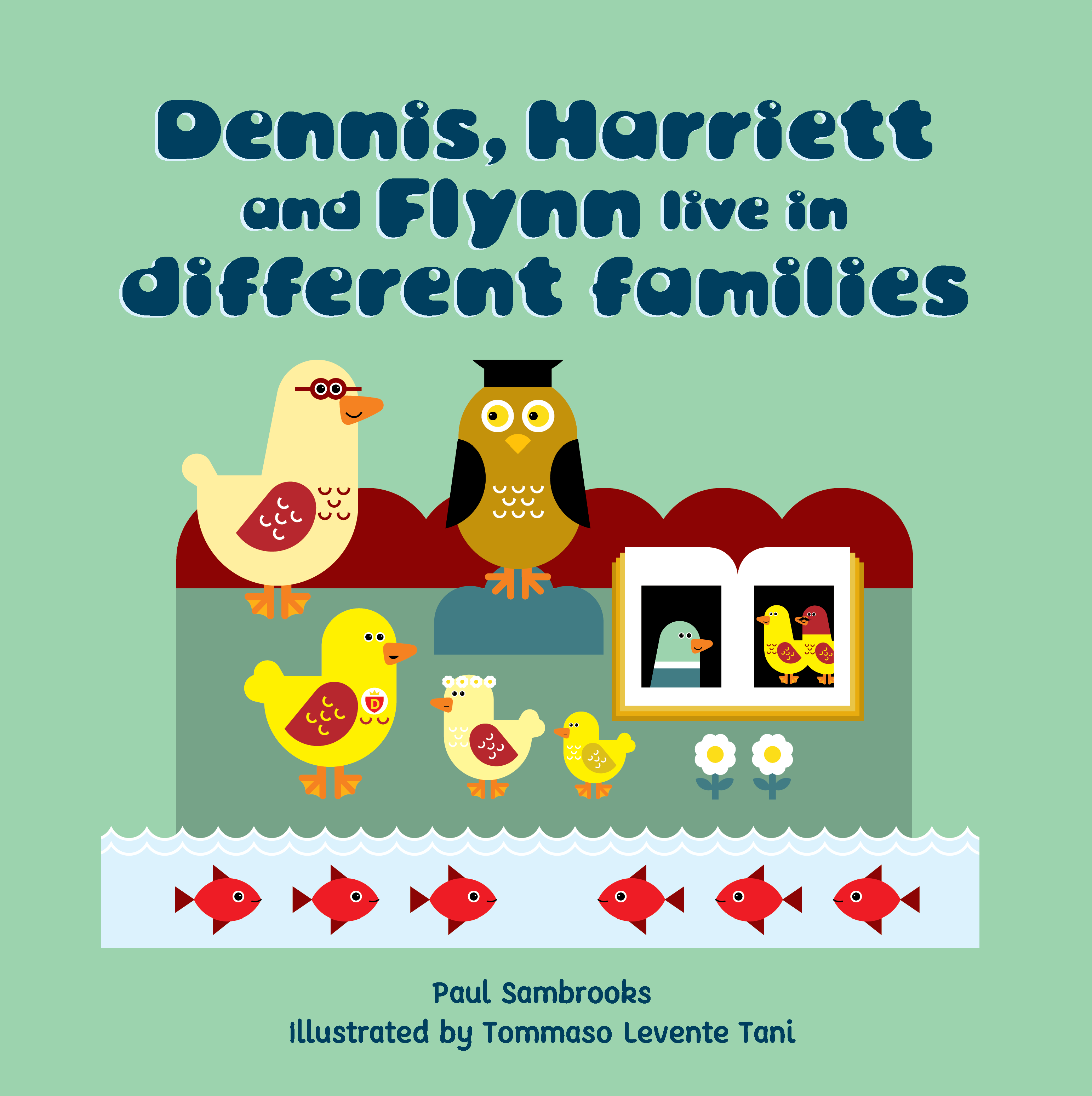
The Dennis Duckling series of picture books provides a range of opportunities to talk to looked after children about what is happening in their lives. In the first two books, Dennis and his little sister have to leave their parents and be looked after by a foster duck family. This book recaps the story, before following Dennis and his siblings as it is decided they need to live apart, in different duck families.
| Emma Fincham and Matt Taylor-Roberts
The purpose of this Practice Note is to support and strengthen the recruitment of LGBTQ+ foster carers by guiding fostering services towards approaches that are inclusive, equitable and affirming.
| Sarah Borthwick and Jenifer Lord
Job descriptions, review forms, decision-making tools and checklists to help you administer the panel process.
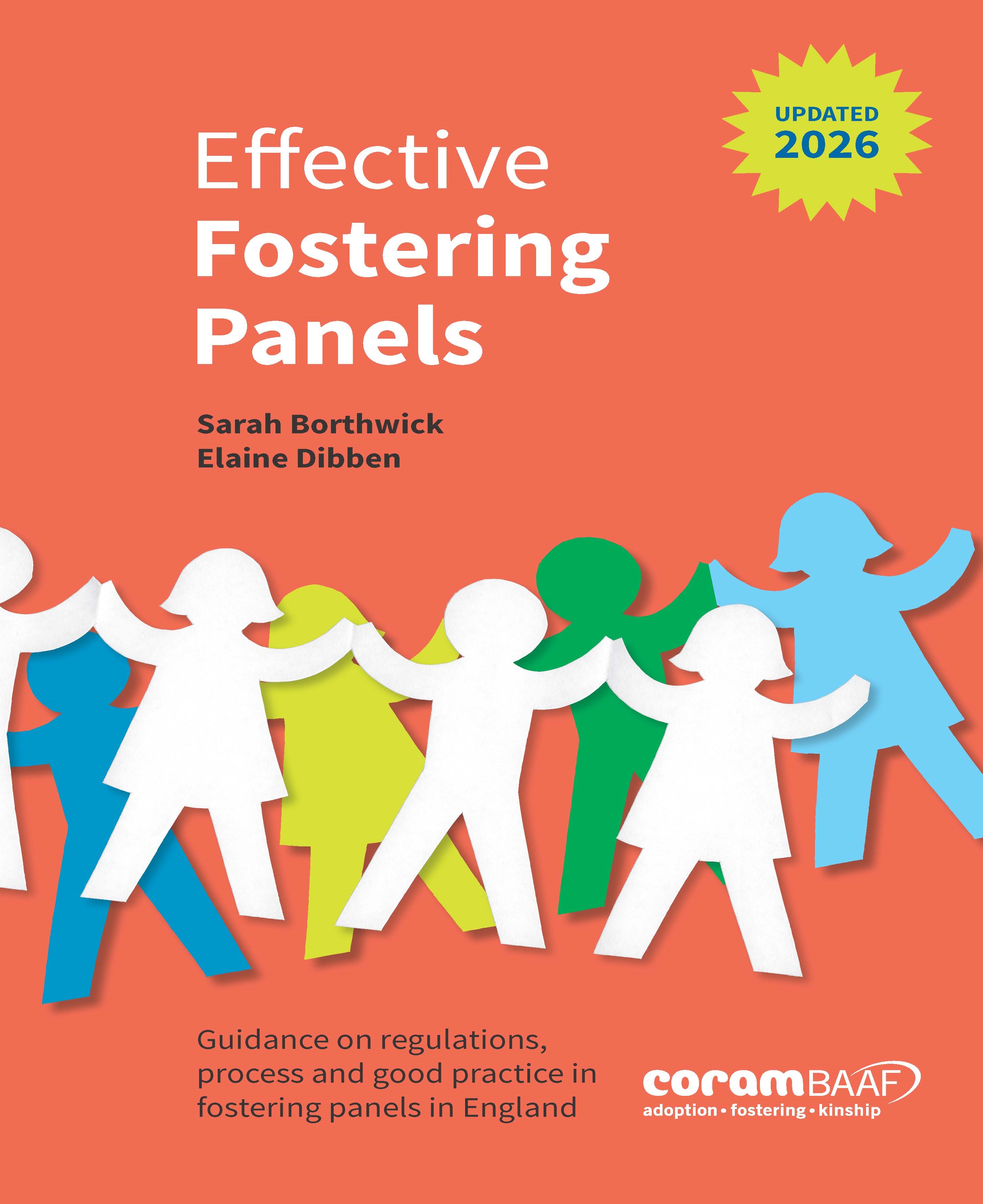
| Sarah Borthwick with Elaine Dibben
What are the roles and responsibilities of fostering panel members? What regulations and standards determine the functioning of a fostering panel? How can panels implement best practice to improve their work and make better placements? Effective fostering panels answers these and many other questions.
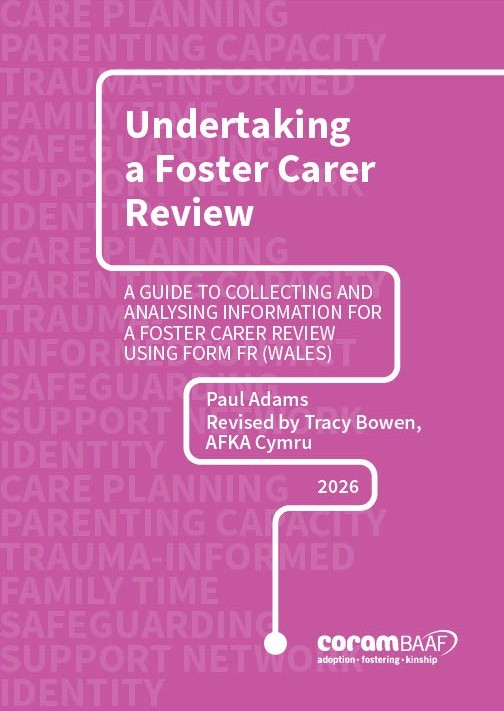
| Paul Adams, revised by Tracy Bowen
This guide will help social workers to plan and carry out a comprehensive and evidence-based review of foster carers. It is designed to be used alongside CoramBAAF’s Form FR (Wales).
| Ann Horne, Augusta Itua and Clare Seth
This Practice Note explains that private fostering does not require parental consent, either written or verbal. The local authority must assess and monitor any such arrangement under the Children Act 1989 and the Children (Private Arrangements for Fostering) Regulations 2005, focusing on safeguarding and promoting the child’s welfare rather than how the arrangement came about. While parental involvement is encouraged, it is not a legal requirement.
| Jane Poore and Alexandra Conroy-Harris
This Practice Note offers guidance on key aspects of children moving from England to the Isle of Man to be placed with adopters approved in the Isle of Man. The process of placing children across Regions of the UK comes with some complexity, given that regulations, guidance and practice differ between the two jurisdictions.
| Clare Seth
This Practice Note considers the National Minimum Standards (NMS) within the context of kinship foster care and how this differs from mainstream foster care. It provides practitioners and panel members with reflections about the interpretation of NMS for kinship foster carers, alongside practice points to ensure that they are supported to meet the NMS within the caring relationship they have for a specific child/ren.
| Helen Wilmot and Mandeep Sahejpal
Foster carer recruitment and retention are huge challenges that have attracted much research and reporting, without leading to widespread positive change. But some key best practice has been learned. What forms of recruitment have proved most useful, and what advertising encourages applications? How have some agencies successfully reached a range of diverse applicants? What do carers value most in a fostering service, making them more likely to stay – and what factors may push them to leave?